Why Was the Broncos’ Trade for Daiyan Henley Called Off?

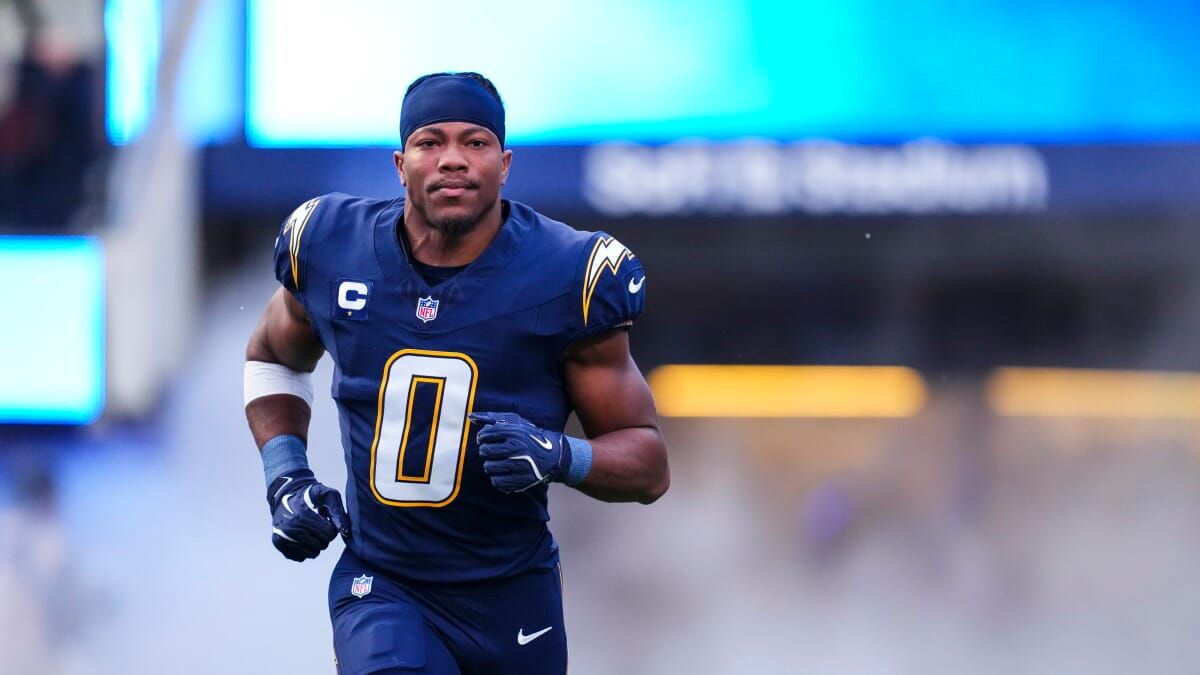
The Denver Broncos’ attempt to bolster their defense before the 2026 NFL trade deadline took an unexpected turn. After agreeing to acquire linebacker Daiyan Henley from the Los Angeles Chargers in exchange for a 2027 fourth-round pick and a 2028 fifth-round pick, Denver announced Wednesday night that the proposed trade would not be finalized.
The decision brought an abrupt end to a deal that appeared all but complete and sparked frustration from Los Angeles. With both teams offering different perspectives on what happened, the failed transaction raises questions about why the agreement fell apart and what it means for the Broncos moving forward.
Why Was the Daiyan Henley Trade Called Off?
Denver had initially agreed to acquire Daiyan Henley from the Chargers ahead of Tuesday’s trade deadline, with the Broncos sending a 2027 fourth-round pick and a 2028 fifth-round pick to Los Angeles in exchange for the linebacker. However, as is customary with NFL trades, the agreement was contingent on Henley passing a physical.
That condition became an issue when Henley underwent his examination in Denver on Wednesday. According to Jeff Legwold of ESPN, the Broncos discovered a concern with one of his knees during the physical. Although neither team officially disclosed the medical findings, the issue prompted Denver to reconsider the original compensation.
Rather than immediately walking away from the deal, the Broncos reportedly approached the Chargers about modifying the trade. Denver proposed a revised package that included a 2027 fourth-round pick and a 2028 seventh-round pick. Another reported option involved the fourth-round selection and a pick swap.
The Chargers, however, weren’t willing to accept the revised terms. With the two sides unable to reach an agreement, the Broncos announced late Wednesday night that the trade would not be finalized.
The situation became more complicated when Los Angeles disputed Denver’s handling of the physical. Chargers general manager Joe Hortiz said Los Angeles had informed the Broncos about Henley’s existing medical issues before agreeing to the trade. He also maintained that the Chargers believed the physical should be a straightforward pass-or-fail process rather than an opportunity to renegotiate the compensation.
Hortiz’s comments suggest the two organizations had different understandings of Henley’s medical situation and the significance of the findings in Denver. From the Broncos’ perspective, the physical apparently revealed enough concern to warrant reconsidering the original offer. From Los Angeles’ perspective, the team had already disclosed the relevant information and had no reason to accept less compensation after agreeing to the original terms.
Ultimately, neither side was willing to compromise, and Henley will remain with the Chargers.
Why Is Los Angeles Upset With Denver?
The failed trade didn’t sit well with the Chargers, particularly head coach Jim Harbaugh. During Thursday’s press conference, Harbaugh criticized the Broncos’ approach and suggested Denver used the physical process as leverage to reduce the compensation it had originally agreed to provide.
“The Broncos based a pass/fail on a medical grade based on whether we would take less compensation,” Harbaugh said. “We wouldn’t, and we didn't.”
Harbaugh went further, arguing that the NFL should examine the circumstances surrounding the failed trade because he believes the process creates an unfair precedent for teams negotiating deals near the deadline.
“In my opinion, it’s one of those loopholes that the league should really look into, because it sets a bad precedent and continues to set a bad precedent,” Harbaugh added.
Joe Hortiz shared that frustration, arguing that the current process gives teams an opportunity to revisit previously agreed-upon compensation after the trade deadline has passed. He indicated that he had already spoken with the league about the situation and wouldn’t be surprised if teams proposed changes to the rules at the NFL’s annual meetings.
There is also the human element of the situation. Daiyan Henley was preparing to leave the only NFL organization he had played for, potentially joining a division rival in the middle of a playoff push. Instead, he had to return to Los Angeles after the trade fell apart. Hortiz acknowledged the difficult circumstances for Henley and said he had personally apologized to the linebacker.
The Chargers made their feelings known on social media as well, welcoming Henley back shortly after Denver announced the trade would not be finalized.
While the Broncos have not publicly explained their decision, the disagreement raises questions about how NFL teams should handle medical evaluations when a trade is contingent on a physical. Denver evidently believed the findings justified a change in compensation, while Los Angeles viewed the attempted renegotiation as an unacceptable departure from the original agreement.
Whether the league ultimately makes changes to the process remains to be seen. For now, the failed transaction has created an uncomfortable situation between two AFC West rivals.
What Does the Failed Trade Mean for the Broncos?
Beyond the disagreement between the two organizations, the failed trade leaves Denver with a roster need it had hoped to address before the postseason. The Broncos entered the deadline looking to add depth at inside linebacker, particularly with Alex Singleton carrying an unusually heavy workload.
Singleton has been one of Denver’s most productive defenders this season, but his playing time has been substantial. Through the first nine weeks, he had played 617 of the team’s 618 defensive snaps. At 32 years old, relying on him to maintain that workload throughout the remainder of the season could become a concern.
Justin Strnad has also established himself as a starting inside linebacker, but the Broncos now have fewer experienced alternatives behind the two veterans. Jordan Turner and Karene Reid have primarily contributed on special teams, while rookie linebacker Red Murdock remains on the practice squad.
Daiyan Henley would have provided another experienced starter who could rotate into the lineup, help reduce Singleton’s workload, and give defensive coordinator Vance Joseph more flexibility. His experience and production made him an appealing addition to a defense that ranked 23rd in the NFL against the run through the first nine weeks.
Without the acquisition, Denver remains vulnerable if either Singleton or Strnad misses time. An injury to either starter could force the Broncos to rely on less experienced players in an important stretch of the season. That is particularly concerning for a team with legitimate championship aspirations and a defense that has already played more snaps than any other unit in the league.
Denver could still explore other options, including available free agents, but finding a comparable player with Henley’s experience and production won’t necessarily be easy this late in the season. The trade deadline has also passed, eliminating the possibility of pursuing another player through a standard trade.
Ultimately, the failed deal represents a missed opportunity for the Broncos. Denver identified a weakness, found a player it believed could help address it, and was willing to surrender two draft selections to bring him aboard. However, concerns raised during the physical and the subsequent disagreement over compensation prevented the move from becoming official.
The Broncos may have made the right decision if their medical evaluation revealed a legitimate concern about Henley’s long-term availability. But that doesn’t change the immediate consequence: Denver is entering the second half of the season without the linebacker depth it was hoping to add. With the postseason approaching, the Broncos will need to determine whether their current group is sufficient or if another solution is necessary.