2026 Week 5 Recap: Four Key Takeaways from Denver’s Gutsy 23-17 Win Over the Chargers

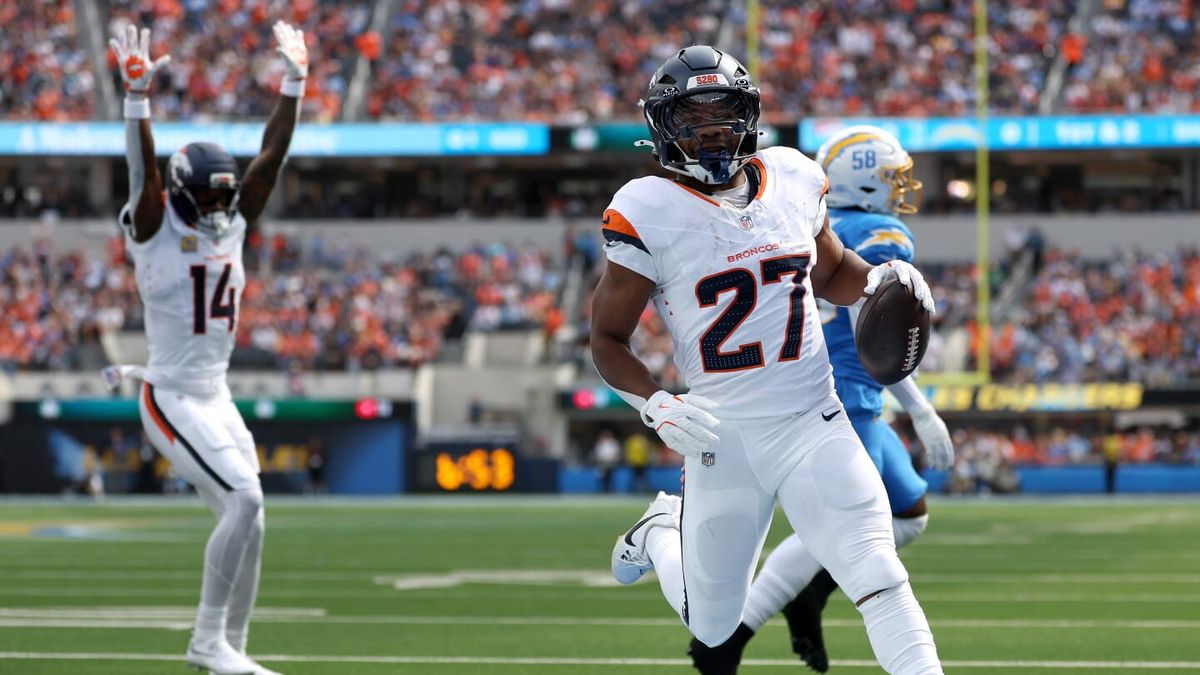
The Denver Broncos (3-2) entered their Week 5 matchup with the Los Angeles Chargers (0-5) looking for their first road victory of the 2026 season. Los Angeles, meanwhile, was desperate to get its season back on track after a difficult start compounded by a rash of injuries.
Denver ultimately came away with a 23-17 victory at SoFi Stadium, but the road to its third win of the season was anything but straightforward. The Broncos trailed in the second half before a late rally secured another hard-fought victory.
Here are three key takeaways from Denver’s Week 5 win over the Chargers:
1. The Broncos’ Defense Delivered When It Mattered Most
For the third time this season, Denver found itself needing a late rally to secure a victory. This time, the Broncos’ defense made the decisive plays to ensure the opportunity did not go to waste.
After taking a 10-3 lead into halftime, Denver watched Los Angeles score two touchdowns in the third quarter to take a 17-10 lead. Kimani Vidal’s 42-yard touchdown run with 57 seconds left in that frame put the Broncos in a difficult position heading into the final 15 minutes.
Denver’s defense responded by stopping Justin Herbert on a fourth-and-1 quarterback sneak with 10:33 remaining in the fourth quarter. The stop gave the Broncos excellent field position, and the offense capitalized when Bo Nix threw a five-yard touchdown pass to Courtland Sutton to tie the game at 17-17 with 8:53 left in regulation.
The defense continued to deliver after the score. On the Chargers’ third possession of the fourth quarter, Denver strip-sacked Herbert and recovered the fumble deep in Los Angeles territory. The Broncos turned the takeaway into a field goal, taking a 20-17 lead with 5:07 remaining.
Denver struck again on the Chargers’ following possession when Broncos safety Brandon Jones intercepted Herbert. Wil Lutz converted the turnover into another field goal, extending Denver’s lead to 23-17 and forcing Los Angeles to score a touchdown to reclaim the lead.
The Chargers still had one final opportunity, but the Broncos’ defense refused to give ground, as cornerback Ja’Quan McMillian sacked Herbert on the final play to seal the victory for Denver.
The fourth-quarter performance was particularly impressive given the players the Broncos were missing. Denver entered the game without starting cornerbacks Patrick Surtain II and Riley Moss, leaving the secondary without two important contributors against a talented quarterback who made the Pro Bowl last season.
Despite those absences, the Broncos held Herbert to 121 passing yards and forced two turnovers in the fourth quarter. Denver’s defense also forced a turnover on downs and came through in critical situations, preventing Los Angeles from scoring during the final period.
After the Broncos’ late collapse against the San Francisco 49ers in Week 4, the response was encouraging. Denver demonstrated that its defense can make game-changing plays when the pressure is highest, even without key players in the lineup.
Still, the Broncos cannot expect their defense to bail out the offense every week. Denver has now won another close game, but the Broncos’ offensive struggles continue to put unnecessary pressure on a defense that has repeatedly delivered when it matters most.
2. Sean Payton’s Return to Play-Calling Didn’t Solve Denver’s Offensive Problems
The Broncos made a significant change heading into Week 5, with head coach Sean Payton taking over play-calling duties from offensive coordinator Davis Webb.
The move came after an uneven start to the season, particularly from an offense that had struggled to establish consistency through its first four games. Sunday offered the first opportunity to see whether Payton’s return to the play-calling role could spark a turnaround.
The early results were not especially encouraging.
Denver finished with just 224 total yards, averaging only 3.9 yards per play. The Broncos also converted just one of their 12 third-down attempts, a reflection of how difficult it was for the offense to generate consistent production.
Bo Nix threw for just 123 yards, and although Denver managed two touchdowns and three field goals, the Broncos’ passing game never established much of a rhythm. Sutton’s five-yard touchdown reception helped Denver tie the game in the fourth quarter, but the offense struggled to move the ball consistently otherwise.
Perhaps most concerning was how little the Broncos’ offense did with the opportunities its defense created. Denver forced two turnovers off Justin Herbert in the fourth quarter – a strip sack and an interception – giving the Broncos’ offense favorable field position on both occasions. Yet Denver came away with just two field goals, producing six points from the two takeaways.
That inefficiency did not come back to haunt the Broncos against the Chargers, but it could have serious consequences against a stronger opponent. Creating turnovers is one of the most valuable things a defense can do, and Denver needs to turn those opportunities into more points if it wants to become a more consistent offensive team.
The performance does not necessarily mean Payton’s decision to resume play-calling was misguided. One game is a small sample, and changing who calls the plays cannot immediately fix every issue within an offense.
However, the game reinforced the idea that the Broncos’ offensive problems extend beyond play-calling alone. Denver needs better execution, more consistent production and greater efficiency in scoring situations if it wants to become a more reliable offensive team.
For now, Payton’s return to play-calling has not produced the immediate improvement the Broncos needed. The win was valuable, but Denver’s offense still has considerable work to do.
3. The Broncos’ Running Game Showed Signs of Life, but Expectations Should Remain Tempered
One of the more encouraging developments from Sunday was Denver’s production on the ground.
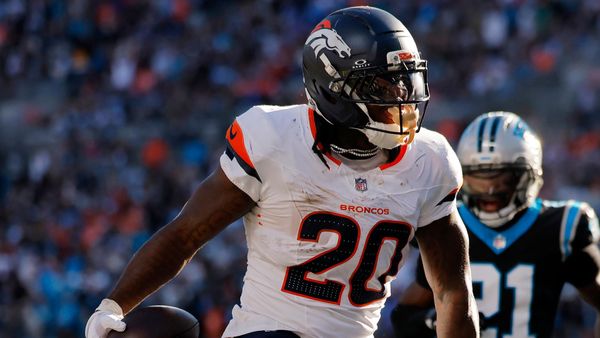
J.K. Dobbins led the way with 68 rushing yards and a touchdown, helping the Broncos establish a more effective running game than they had shown in recent weeks. His two-yard touchdown run gave Denver a 7-0 lead with 6:53 left in the first quarter, and the ground game provided some balance to an offense that has struggled to generate consistent passing production.
However, Dobbins averaged just 3.8 yards per carry. While his overall production was a positive development, that efficiency figure suggests the Broncos’ rushing attack was far from dominant.
The matchup also deserves some context. Coming into the game, Los Angeles had allowed 121.8 rushing yards per contest, making the Chargers a favorable opponent for a Denver rushing attack looking to get back on track. Better production against Los Angeles is encouraging, but the Broncos will need to demonstrate that they can run the ball effectively against stronger defensive fronts before expectations should change significantly.
The distinction matters because Denver cannot afford to rely on its defense to manufacture late-game opportunities every week. A dependable running game would help the Broncos control the clock, stay out of obvious passing situations and take some pressure off Bo Nix.
Dobbins’ performance was a positive step, but the matchup and his modest yards-per-carry average offer reasons for caution. Denver deserves credit for finding some production on the ground, but the Broncos must show they can sustain it against stronger run defenses before declaring the problem solved.
4. Jeremy Crawshaw Was Denver’s Unsung X-Factor
While the Broncos’ defense made the biggest plays late in the game, punter Jeremy Crawshaw also played an important role in Denver’s victory.
Crawshaw punted five times for 228 yards, averaging 45.6 yards per kick. Even more impressive, three of his punts landed inside the 20-yard line, helping the Broncos consistently push the Chargers back toward their own end zone.
With 4:14 remaining in the third quarter, Crawshaw launched a 58-yard punt that pinned Los Angeles at its own 3-yard line. The Chargers managed just five plays before punting the ball back to Denver. Early in the fourth quarter, Crawshaw delivered another well-placed kick, sending a 49-yard punt down to the Los Angeles 18-yard line with 14:55 remaining. The Chargers went three-and-out on their ensuing possession.
Those punts might not show up in the box score as game-changing plays, but their impact was significant. By forcing Los Angeles to start deep in its own territory, Crawshaw helped give the Broncos’ defense more favorable circumstances to get off the field and keep the Chargers from building momentum.
A punter who can consistently flip field position is invaluable, particularly when his offense is struggling to sustain drives. Crawshaw’s performance may not have attracted the same attention as Denver’s late defensive heroics, but it was another important contribution to the Broncos’ hard-fought win.