2026 Week 6 Recap: Four Key Takeaways from the Broncos’ Hard-Fought 17-14 Overtime Win Against Seattle

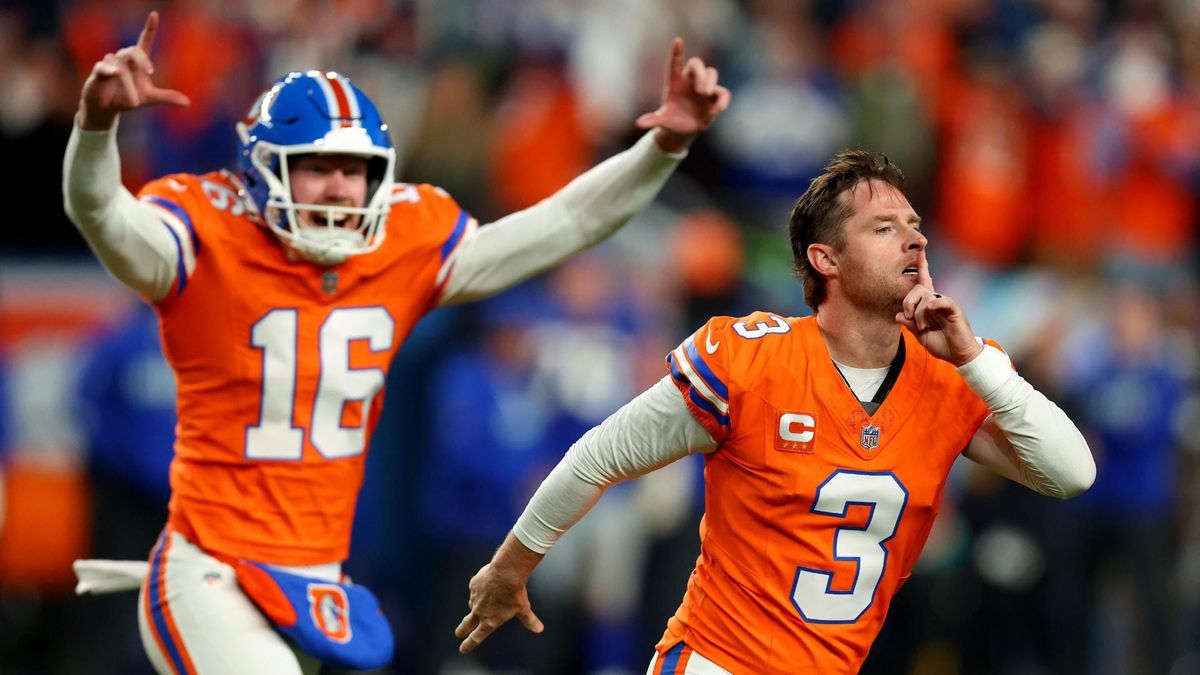
The Denver Broncos (4-2) returned home Thursday night looking to build on their Week 5 victory over the Los Angeles Chargers. Standing in their way were the defending Super Bowl champion Seattle Seahawks (3-3), a talented opponent that presented a significant test for Denver on a short week.
The Broncos ultimately prevailed 17-14 in overtime, but the victory was anything but comfortable. Denver’s defense and special teams delivered when it mattered most, helping the team overcome another frustrating offensive performance to secure its fourth win of the season.
Here are four key takeaways from the Broncos’ overtime win over Seattle:
1. Denver’s Defense Was Suffocating
The Broncos’ defense turned in another outstanding performance, keeping the Seahawks’ offense largely in check for most of the night. Seattle managed just three points through the first three quarters, while Denver recorded five sacks, 17 quarterback hits and three turnovers: two interceptions and a fumble recovery. The performance was particularly impressive given that the Broncos played without starting cornerback Pat Surtain II and safety Talanoa Hufanga.
The Seahawks finally found the end zone with 5:41 remaining in the fourth quarter, trimming Denver’s lead to 14-9 before converting a two-point attempt to make it 14-11. Seattle later tied the game with a field goal in the closing seconds of regulation, forcing overtime.
The Broncos’ defense made yet another pivotal play in overtime. With 7:17 remaining, cornerback Ja’Quan McMillian intercepted Sam Darnold at the Seahawks’ 43-yard line, giving Denver an opportunity to end the game.
The Broncos’ defense has repeatedly kept the team competitive, even when the offense struggles to find its footing. That unit deserves significant credit for Denver’s 4-2 start, though the team cannot expect it to deliver this many game-changing plays every week.
2. Wil Lutz and Jeremy Crawshaw Delivered for the Broncos
Denver’s special teams played a crucial role in the victory. Wil Lutz’s 53-yard field goal in overtime proved to be the difference, capping a game in which the Broncos needed every point they could get.
Punter Jeremy Crawshaw also had an impressive outing. He punted eight times for 395 yards, averaging 49.4 yards per punt, with a long of 56 yards. Five of his punts traveled at least 50 yards, and two landed inside Seattle’s 20-yard line.
One punt late in the fourth quarter illustrated his value. Facing fourth-and-20 from its own 18-yard line, Denver needed to flip the field and give its defense some breathing room. Crawshaw delivered a 56-yard punt to the Seahawks’ 26-yard line, pinning Seattle deep in its own territory.
With the offense struggling to sustain drives, Crawshaw repeatedly helped the Broncos manage field position, while Lutz ultimately delivered the decisive points. Their performances were instrumental in securing a win despite the offense’s struggles.
3. Denver’s Running Game Remained Shaky but Improved in the Red Zone
The Broncos continued to struggle to establish a consistent running game against the Seahawks, averaging just 2.6 yards per carry. J.K. Dobbins recorded 41 rushing yards and a touchdown on 17 attempts, while RJ Harvey added 25 yards and a touchdown on six carries. Harvey also led Denver in receiving with three catches for 31 yards.
Despite their limited efficiency on the ground, the Broncos capitalized on their opportunities near the goal line. Both of Denver’s red-zone trips ended with rushing touchdowns, a welcome improvement after the team’s struggles in that area during its Week 5 win over Los Angeles.
Converting those opportunities was important in a game where points were hard to come by. Still, the Broncos’ overall rushing efficiency remains a concern, and the offense needs to generate more consistent yardage on the ground.
4. Denver’s Offensive Struggles Are Becoming Increasingly Concerning
The Broncos escaped with a victory, but their offensive performance offered little reason for confidence. Bo Nix completed 17 of 27 passes for just 107 yards, and Denver finished with only 168 total yards. The Broncos also converted just three of 14 third-down opportunities and went three-and-out seven times.
Those struggles nearly cost Denver the game. After Broncos cornerback Kris Abrams-Draine intercepted Sam Darnold with 1:31 remaining in regulation, Denver took possession at its own 31-yard line with an opportunity to close out the game. The Broncos needed just one first down to put themselves in position to run out the clock, but the offense went three-and-out instead.
Seattle subsequently benefited from a punt return that gave it favorable field position and drove for a game-tying field goal with three seconds left. Denver had given the Seahawks another opportunity to stay alive, and Seattle took advantage.
Nix’s limited passing production is concerning, and the numbers suggest this is becoming a season-long issue rather than an isolated poor performance. Through six games, he is averaging just 174.8 passing yards per game, 5.6 yards per attempt and 4.9 air yards per attempt. He has also surpassed 200 passing yards only twice this season, raising questions about the Broncos’ ability to consistently generate offense through the air.
The problem extends beyond Nix, however. Denver’s offense has struggled to sustain drives, convert third downs and consistently move the ball. The Broncos’ defense and special teams have repeatedly bailed out the offense, but that formula is difficult to maintain over an entire season.
Denver is learning how to win close, ugly games, an important trait for a team with postseason aspirations. However, eventually, the bill will come due. If the Broncos want to turn these hard-fought victories into sustained success, Nix and the offense must start carrying more of the load.
Fortunately for Denver, the upcoming schedule offers an opportunity to build momentum. Matchups against the Arizona Cardinals (Week 7), Carolina Panthers (Week 9), Las Vegas Raiders (Weeks 11 and 15) and New York Jets (Week 14) could help the Broncos improve their record while working through their offensive struggles. The Kansas City Chiefs (Week 8), Buffalo Bills (Week 16) and New England Patriots (Week 17) figure to present some of Denver’s toughest remaining tests, making the coming weeks especially important. If the Broncos can improve offensively during this stretch, they could be in a much stronger position to strengthen their playoff position.